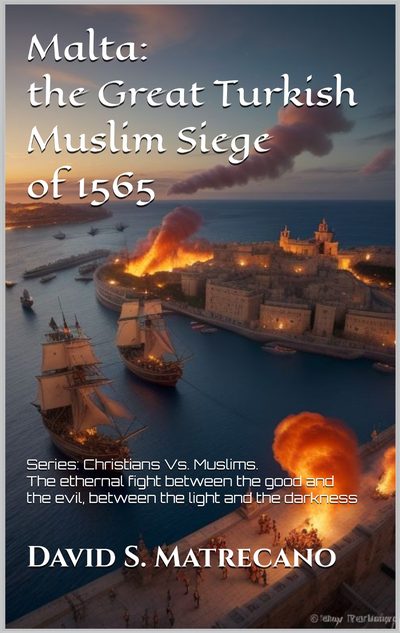
The Mediterranean was no lake of peace. From the Arab conquest of Egypt in the 7th century to the battle of Lepanto in 1571, the northern and southern shores of Mare Nostrum fought a nine-century war that reached its climax on a tiny island: Malta. There, between May and September 1565, one of the most extraordinary sieges in all military history was fought.
The island was defended by the Sovereign Military Order of the Knights Hospitaller of Saint John, the ancient protectors of pilgrims to the Holy Land, expelled from Rhodes by Suleiman the Magnificent in 1522 and refugees since 1530 on this piece of limestone in the middle of the Mediterranean. They were seven hundred knights from all the European nobility, supported by some eight thousand Maltese militiamen and Spanish troops. The commander: Jean Parisot de la Valette, an old French warrior of seventy years who had survived the loss of Rhodes and was not prepared to live through a second defeat.
The attacker: the most powerful army and fleet of the 16th century. Suleiman the Magnificent, at the zenith of his power, had decided to annihilate the Hospitallers to clear the way for the conquest of Sicily, southern Italy and, eventually, Rome. He sent 40,000 soldiers —janissaries, sipahis, Berber corsairs of North Africa under Dragut— and 200 warships. Supreme command was shared by the old veteran Mustafa Pasha and the young and arrogant Piali Pasha, admiral of the fleet.
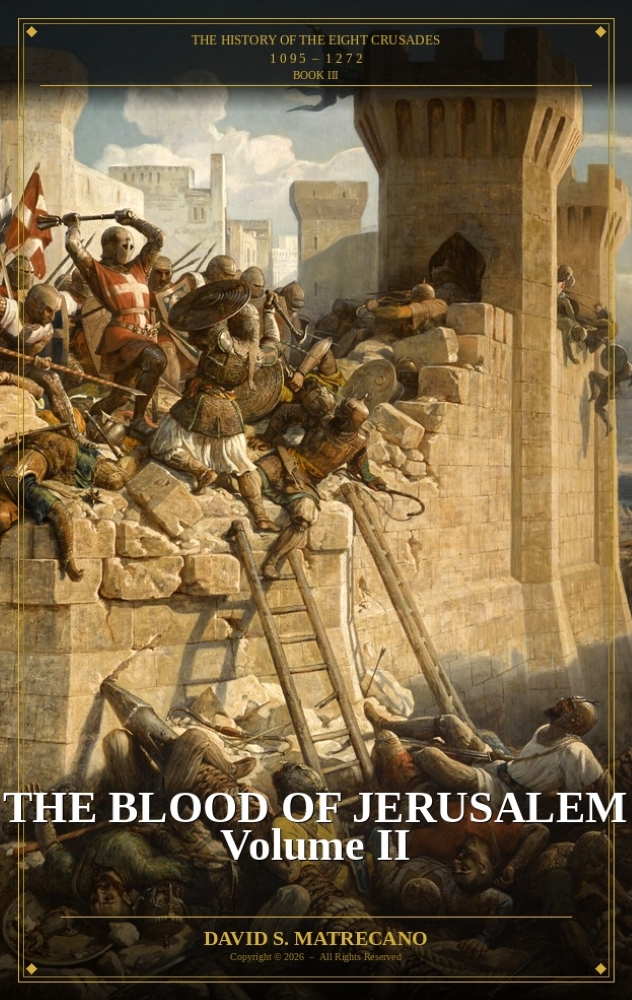
What followed was a siege of nearly four months that claimed 25,000 Ottoman lives and some 7,000 Christian. Fort St. Elmo fell after a month of continuous bombardment, but dragged with it the brilliant corsair Dragut and left the Ottomans exhausted even before the main assault began. Birgu and Senglea, the two fortified peninsulas where La Valette held out, withstood daily assaults throughout the summer. The whole island burned. Christian and Muslim blood flowed alike.
On September 7, after months of delay due to the indecision of the Spanish viceroy, the Great Relief fleet under Don García de Toledo finally landed in Malta with 9,000 fresh soldiers. The exhausted, starving and decimated Ottomans attempted a last desperate assault and were crushed. On September 8 the Turkish armada withdrew. Suleiman swore he would return. He had no time: he died the following year. Malta had saved Europe. September 8 is still celebrated today as Malta's national holiday.